Oil prices surge as tensions rise in Iran-Israel conflict.
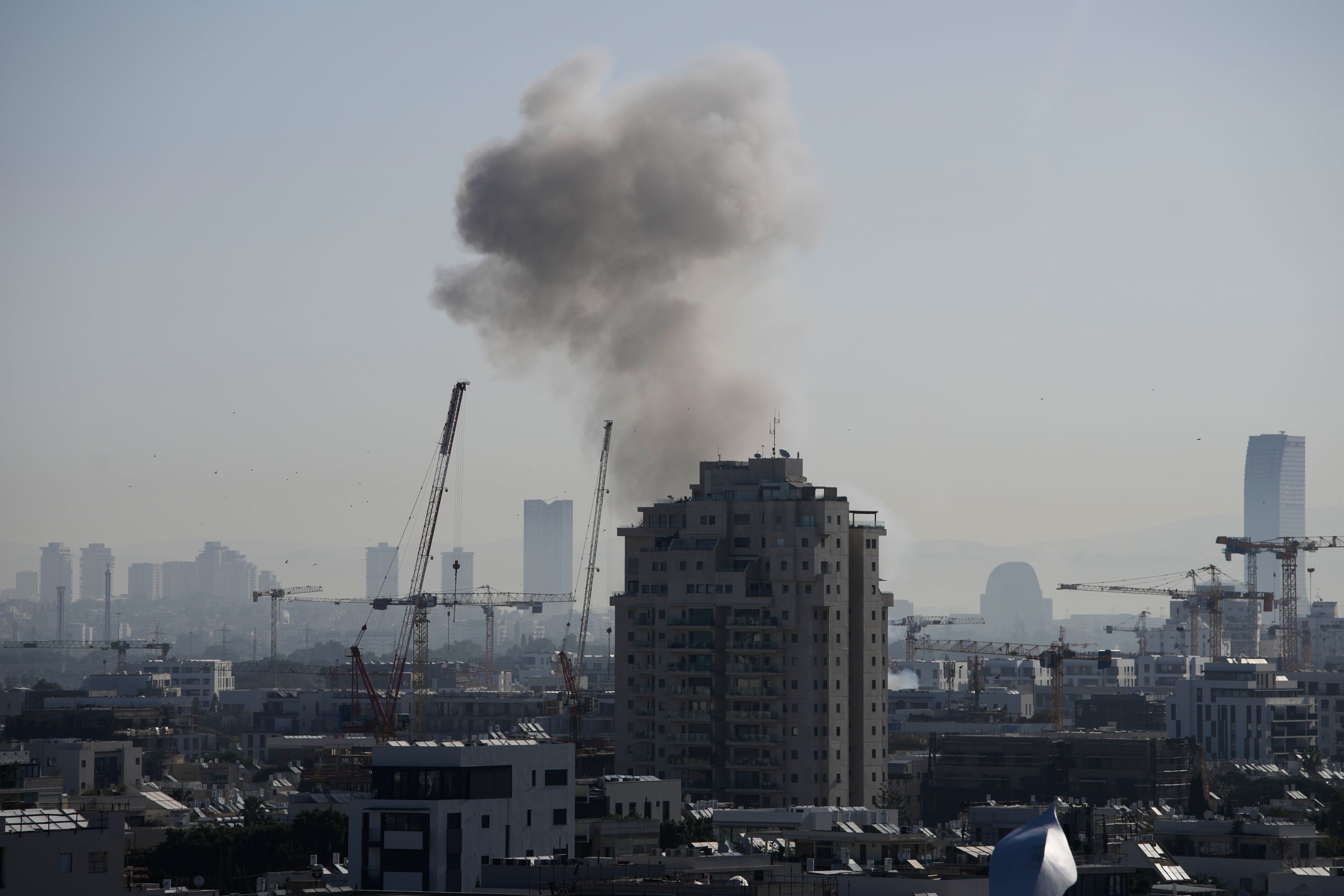
Following a series of escalating attacks between Israel, Iran, and Hezbollah, Brent crude oil prices have surged past $100 a barrel, driven by investor fears of supply disruptions and heightened geopolitical instability in the Middle East. This rapid price increase is fueling concerns about the global energy market and economies reliant on oil imports.
The initial trigger for this surge was a nighttime series of strikes attributed to Israel and the United States targeting Iranian energy infrastructure, including the killing of a top commander of Iran’s Revolutionary Guard. Adding to the volatility, Iran and Hezbollah responded with retaliatory attacks, impacting countries like Kuwait, Saudi Arabia, and Bahrain. Furthermore, statements from Israeli Prime Minister Netanyahu, perceived as reassuring, contributed to a market reaction that initially saw a drop before the situation escalated further. Analysts are now predicting a potential peak near $157 per barrel, citing concerns about a ‘major disruption’ scenario reminiscent of the 2008 financial crisis, and traders are closely monitoring shipping routes and drone activity for any further developments.
Summarized from the sources above. Read the originals for the full story.
Highlights
Oil Prices Surge Due to Conflict
Brent crude oil prices exceeded $100 a barrel due to escalating attacks and heightened geopolitical instability in Iran and the Middle East.
US-Israel Strikes Impact Oil Markets
Multiple attacks, including strikes on Iranian energy facilities, triggered a surge in oil prices and investor concerns about supply disruptions.
Netanyahu's Statements Ease Market Fears
Perceived reassuring statements from Israeli Prime Minister Netanyahu contributed to a temporary drop in oil prices following heightened tensions.
Revolutionary Guard Commander Killed
The death of a top Iranian commander during Israeli-US strikes further intensified regional tensions and impacted oil prices.
Gasoline Prices Rise Amidst Uncertainty
Recent attacks and geopolitical instability led to a significant increase in gasoline prices, prompting concerns about potential supply disruptions.
Perspectives
- The conflict between Iran and Israel, involving US and potentially other actors, is driving up Brent crude oil prices.
- Increased geopolitical instability in the Middle East is a primary factor contributing to rising oil prices.
- The situation is creating concerns about potential disruptions to global oil supplies.
- The escalation of attacks and retaliatory measures is impacting global energy markets and economies.
Source RTBF, DW, Le Monde, El País describe a cycle of escalating attacks and retaliations, with Israel and the US directly involved in strikes. They highlight Iran’s declaration of ‘war until complete victory’ and US denials of direct negotiations.
RTBF, DW English, Le Monde, El País
Source RTBF frames the situation as a pause in attacks following Trump’s announcement, suggesting a negotiated de-escalation.
RTBF
Sources RTBF, DW, Le Monde, El País report a significant surge in Brent crude oil prices above $100, driven by supply concerns and speculation.
RTBF, DW English, Le Monde, El País
Source RTBF reports a drop in oil prices following reassuring statements from Netanyahu, indicating a different market reaction.
RTBF