Oil prices surge, fueling concerns over rising fuel costs.
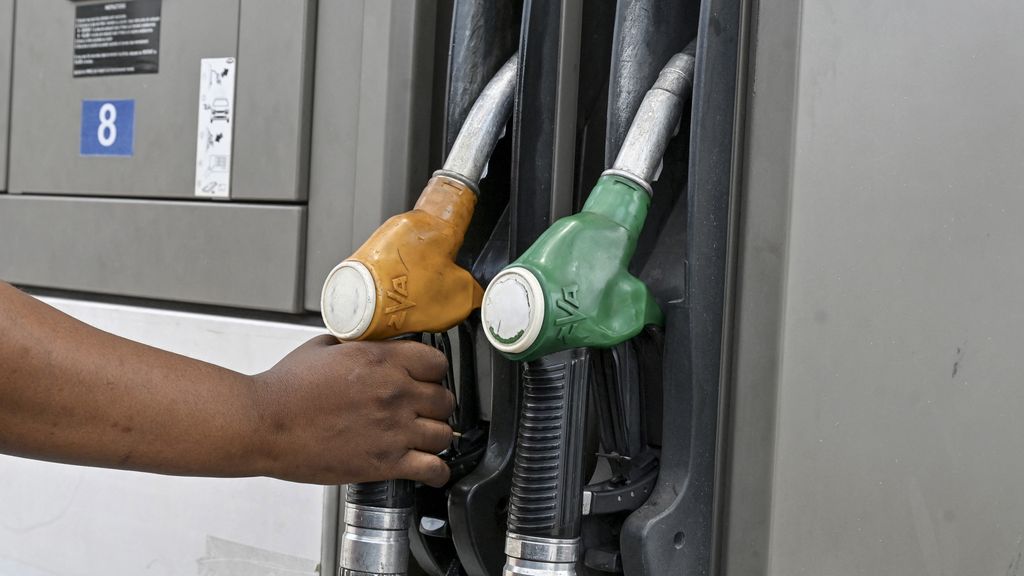
Global oil prices are skyrocketing, reaching record highs and triggering a crisis in Italy where fuel costs are surging dramatically. The Italian government is scrambling to respond, and the situation is raising concerns about broader economic stability.
The recent price increases, driven largely by the ongoing conflict in the Middle East and exacerbated by speculation in global markets, have seen West Texas Intermediate (WTI) crude climb to over $100 and Brent reach nearly $114 per barrel. Italy is particularly vulnerable, ranking among the EU’s highest fuel-cost nations, and the government is drafting legislation to target speculation and aim for gasoline prices below €1.90 per liter. Several European nations, including Spain and Greece, have already implemented VAT and excise tax reductions, though their effectiveness has been mixed. The Dutch government is now evaluating a similar strategy, recognizing the potential benefits but also the budgetary implications. This volatility underscores the interconnectedness of global energy markets and the significant impact of geopolitical events on consumer prices and national economies.
Summarized from the sources above. Read the originals for the full story.
Highlights
Oil Prices Surge Globally
Global oil prices have dramatically increased, reaching levels of $100.68 for WTI and $113.70 for Brent, raising concerns about economic pressures.
Italian Government Addresses Fuel Costs
The Italian government is actively working on a draft law to combat rising fuel prices, primarily targeting speculation and aiming to reduce gasoline prices below €1.90 per liter.
Italy Among Highest Fuel-Price EU Nations
Italy is currently ranked among the top five European countries with the highest fuel prices, significantly impacted by the ongoing war and global market fluctuations.
Price Increases Drive Economic Concerns
The substantial increase in oil prices, exceeding 2.49%, is generating worries about Italy’s energy market and overall economic stability.
Spread Widens Reflecting Market Volatility
The surge in oil prices has coincided with a widening of the European spread, indicating heightened concerns regarding economic stability and energy market volatility.
Perspectives
- Oil prices are rising globally, impacting consumers and economies.
- The Italian government is actively addressing the rising fuel costs.
- Geopolitical events, particularly the conflict in the Middle East, are a key driver.
- Fuel prices are significantly impacting European economies, especially Italy.
The primary driver of rising oil prices is speculation and global market dynamics, exacerbated by the war in Ukraine.
ANSA, la Repubblica, ANSA
The conflict in the Middle East is the dominant factor fueling the surge in oil prices.
NOS Nieuws, NU.nl
Italy needs a targeted draft law to address speculation and potentially implement temporary measures to lower prices.
ANSA, la Repubblica
Lowering VAT and excise taxes is a viable solution for European countries, though it requires careful budgetary consideration.
NOS Nieuws, NU.nl
Rising fuel prices pose a significant threat to Italy's economic stability and consumer spending.
ANSA, la Repubblica
The volatility is a challenge, but manageable with strategic interventions and market monitoring.
NOS Nieuws, NU.nl