Oil companies face accusations of extortion over soaring gas prices.
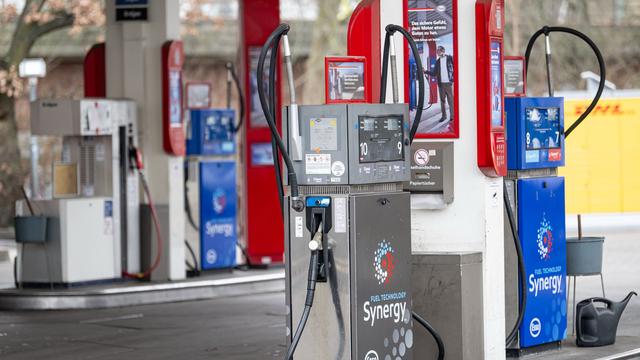
Germany is facing a crisis as gasoline prices surge to record highs across the country, sparking widespread outrage and accusations of exploitation, particularly against the oil industry. The situation is fueled by global instability, including the conflict in Iran, and has ignited a fierce political debate over regulation and potential government intervention.
The core of the controversy revolves around accusations of ‘extortion’ leveled by politicians, unions, and the SPD against major oil companies like BP and Shell. These accusations center on claims of price manipulation and profiteering, exacerbated by warnings of potential supply shortages issued by the German oil industry. While the government is implementing stricter pricing regulations, the industry counters with concerns about market stability, further complicating the situation. The debate has escalated to the point where coalition parties are demanding explanations from international energy giants and considering measures like an ‘excess profit tax’ to address the crisis and protect consumers. Andreas Mundt, head of the German Federal Cartel Office, is also under scrutiny for his perceived inaction in addressing the rising prices, adding another layer of pressure to the already tense negotiations.
Summarized from the sources above. Read the originals for the full story.
Highlights
Gasoline Prices Spark Debate
Multiple sources highlight rising gasoline prices in Germany, fueling accusations of exploitation and extortion from the oil industry.
Politicians Accuse Oil Lobby
German politicians and unions are accusing the mineral oil industry of extortion and price manipulation due to rising fuel costs.
Iran Conflict Fuels Prices
Disruptions caused by the Iran-Ukraine war are directly linked to rising gasoline prices in Germany, impacting global energy markets.
Government Targets Oil Companies
The German government is implementing stricter pricing regulations and summoning energy executives to address concerns about high fuel costs.
Disagreement in Parliament
The Saarland parliament is divided on how to respond to rising gasoline prices, focusing on potential subsidies and regulations.