Central Banks Remain Cautious Following Global Developments
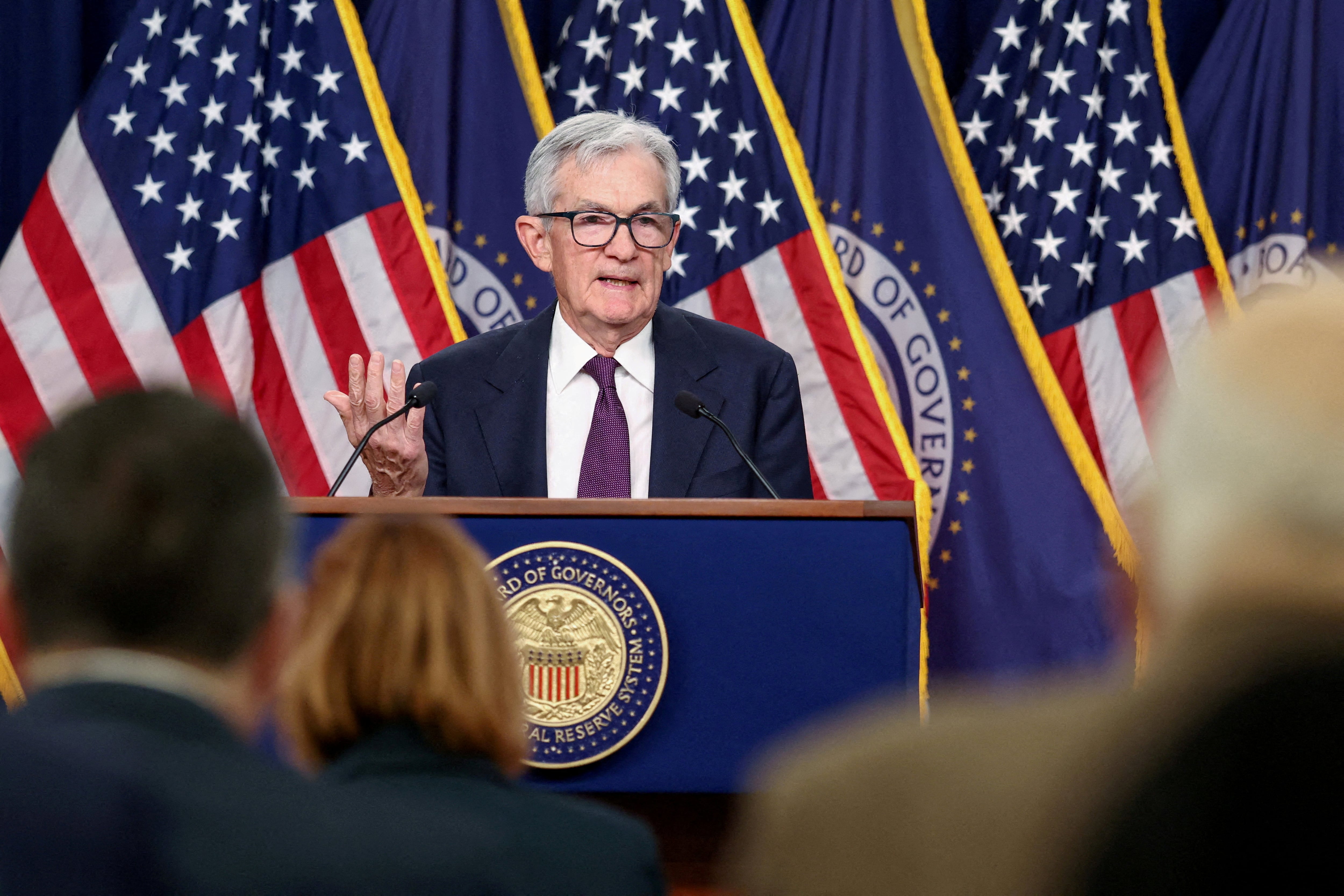
Global central banks are holding steady on interest rates amidst a surge in energy prices, primarily due to heightened concerns surrounding the conflict in the Middle East. This cautious stance reflects a deliberate prioritization of monitoring the situation in the Persian Gulf and assessing potential economic ramifications.
The attacks on energy infrastructure in the Persian Gulf have triggered significant price increases for oil and gas, creating a volatile environment for central banks. While maintaining existing rates, many are closely observing the potential for a sustained escalation of the conflict and its subsequent impact on global supply chains. Economists warn that a prolonged disruption could lead to a more substantial rise in inflation than initially anticipated, forcing a rapid policy shift. Furthermore, the uncertainty surrounding the conflict is impacting investor confidence, contributing to market volatility and adding another layer of complexity to central bank decision-making. The situation underscores the interconnectedness of the global economy and the significant risks posed by geopolitical instability.
Summarized from the sources above. Read the originals for the full story.
Highlights
Central Banks Hold Rates
Global central banks are holding steady on interest rates, primarily due to concerns about rising energy prices and geopolitical instability in the Persian Gulf.
Middle East Conflict Fuels Worry
The ongoing conflict in the Middle East is a key driver behind central banks' cautious approach, fearing escalation and subsequent inflation.
Wait-and-See Strategy Emerges
Central banks are adopting a 'wait-and-see' strategy, closely monitoring developments before adjusting monetary policy.
Energy Price Spikes a Concern
Recent price spikes in gas, caused by infrastructure attacks, are intensifying concerns about potential economic impacts.
Monetary Policy Remains Static
Despite rising energy prices, monetary authorities are maintaining current interest rates for now.
Perspectives
- Central banks globally are holding current interest rates.
- They are closely monitoring the situation in the Persian Gulf.
- The decisions reflect a cautious, 'wait-and-see' approach.
- Rising energy prices and geopolitical uncertainty are key factors.
Spanish sources (El País) attribute the price spikes to the Middle East conflict and attacks on energy infrastructure.
El País
German and New sources (FAZ, New) primarily cite rising energy prices as the driver.
FAZ, New