Fed Holds Interest Rates Steady Amid Middle East Concerns
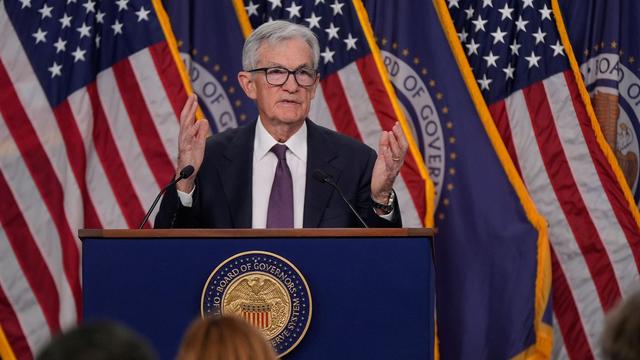
The US Federal Reserve has unexpectedly decided to hold its interest rates steady, a move that surprised investors and analysts. This decision is primarily driven by ongoing concerns surrounding the escalating conflict in the Middle East and its potential impact on the global economy.
The Fed’s decision, made with a 11-1 vote, reflects a cautious approach to managing inflation, particularly given the volatile situation in Iran and the subsequent rise in oil prices. Despite previously anticipating rate cuts before the end of the year, the Board now acknowledges significant uncertainty regarding the conflict’s long-term economic consequences. This pause in monetary policy could lead to increased borrowing costs for businesses and consumers, potentially slowing economic growth. The dissenting vote highlighted a desire for immediate action to combat inflation, indicating a continued debate within the Fed regarding the optimal course of action. Analysts are now closely monitoring for any shifts in the Fed’s stance as the geopolitical situation continues to evolve.
Summarized from the sources above. Read the originals for the full story.
Highlights
Fed Maintains Interest Rates
The US Federal Reserve decided to hold its interest rates steady, citing concerns about inflation and global economic uncertainty.
Middle East Conflict Impacts Decision
The Iran-Iraq conflict and its impact on oil prices fueled the Fed’s cautious approach to monetary policy.
Rate Cut Expectations Delayed
Analysts now anticipate no rate cuts this year due to persistent inflationary pressures and global instability.
Uncertainty Drives Fed’s Stance
The Fed’s decision reflects ongoing uncertainty regarding the economic impact of the Middle East conflict.
Inflation Remains a Key Concern
Despite concerns about the conflict, the Fed continues to monitor inflation and its potential impact.
Perspectives
- Most sources agree the Federal Reserve is maintaining current interest rates.
- The primary concern driving the decision is uncertainty regarding the Middle East conflict's economic impact.
- Inflation remains a key consideration, though rate cuts are anticipated in the future.
- There's a shared acknowledgement of global economic instability and its potential effects.
Some sources (El Mundo, El País, ANSA) anticipate rate cuts in 2026/2027, reflecting a desire for monetary easing.
El Mundo, El País, ANSA
Others (ZEIT Online, Der Spiegel, Yle Uutiset, FAZ, ORF News) express caution, citing ongoing uncertainty and a pause in aggressive rate hikes.
ZEIT Online, Der Spiegel, Yle Uutiset, FAZ, ORF News
Some (El Mundo, El País, ANSA) attribute uncertainty to the Iran-Iraq conflict and its impact on oil prices and inflation.
El Mundo, El País, ANSA
Others (ZEIT Online, Der Spiegel, Yle Uutiset, FAZ, ORF News) highlight broader global economic instability as the primary driver.
ZEIT Online, Der Spiegel, Yle Uutiset, FAZ, ORF News