Austria Plans New Gas Price Limit
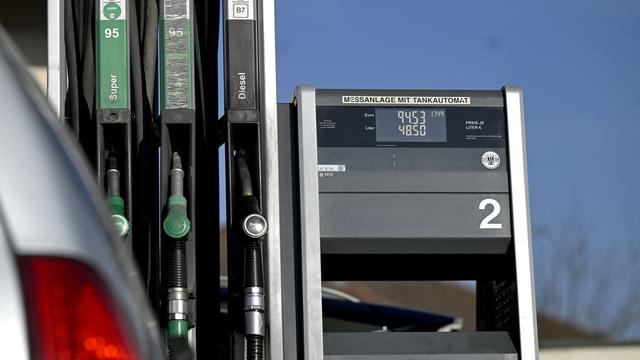
Austria is implementing measures to combat rising fuel prices, including limiting price increases to three times per week and reducing mineral oil taxes. The government is facing political challenges securing support for these measures, particularly from the Freedom Party, and is exploring options like releasing strategic oil reserves. Germany is also considering similar actions.
Austria’s government is responding to rising fuel prices caused by the conflict in the Middle East with a price cap measure. The National Council approved measures to limit fuel prices, primarily through a reduction in mineral oil taxes. The Freedom Party (FPÖ) has proposed a drastic reduction in taxes, estimated at 3.4 billion euros, but this is considered unsustainable. The Austrian government intends to propose a fuel price freeze in the National Council, but faces challenges securing the necessary majority. The government is also releasing 325,000 tons of strategic oil reserves to mitigate immediate impact. Economists and mobility organizations question the policy’s effectiveness and impact on social welfare. Germany has also implemented a similar measure limiting price increases to three times a week, and Austrian Finance Minister Markus Marterbauer denies claims that the government is profiting from high fuel prices. The situation is complex, with disagreements between the ÖVP and SPÖ parties regarding tax cuts and margin limits.
Summarized from the sources above. Read the originals for the full story.
Highlights
Fuel Price Freeze Negotiations
Chancellor Scholz and the Green Party are discussing a fuel price freeze to address rising energy costs. The negotiations are difficult due to disagreements about the freeze's scope and potential economic effects.
Austria Caps Price Increases
Austria limits fuel price increases to three times per week to provide relief to consumers from rising fuel costs.
Minister Rejects Profit Claims
Austrian Finance Minister Marterbauer stated that VAT revenue from fuel is only 1.3 cents per liter, rejecting claims of significant state profits.
OMV CEO Advocates for Tax Cuts
OMV CEO Stern believes the rising fuel costs are due to an international shortage and argues that tax cuts are the only solution.
Government Plans Tax Reduction and Price Cap
Austria's government intends to reduce mineral oil taxes and implement a fuel price freeze, aiming to alleviate the financial burden on consumers and businesses.
Perspectives
- Fuel prices are rising significantly across Europe.
- High fuel prices are linked to international factors like the Iran conflict.
- Government intervention in fuel prices is a contentious issue.
- There is a push for measures to alleviate the financial burden on consumers.
OMV CEO Stern and Der Standard advocate for tax cuts and minimal government intervention, believing market forces should determine prices.
OMV CEO Alfred Stern, Der Standard
Finance Minister Marterbauer and ORF News propose fuel price freezes and limitations on margins, arguing for government intervention to protect consumers.
Markus Marterbauer, ORF News
Stern and Der Standard argue that fuel price controls will cause market distortions and are ineffective.
OMV CEO Alfred Stern, Der Standard
Marterbauer and ORF News believe that controls are necessary to provide immediate relief to consumers.
Markus Marterbauer, ORF News
FPÖ advocates for drastic tax cuts without specifying funding, a potentially unsustainable approach.
FPÖ
Marterbauer insists on ‘budget neutral’ solutions, including a savings package for the future.
Markus Marterbauer