Max Price Caps Proposed for Gas, Facing Resistance
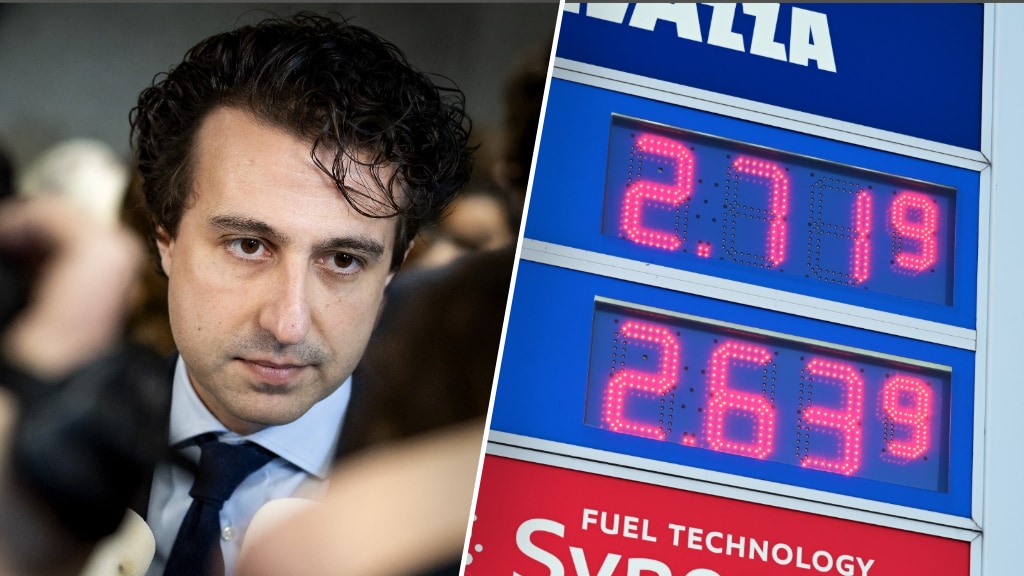
A growing movement in the Netherlands is pushing for government intervention to curb soaring gasoline prices, mirroring a policy already in place in Luxembourg and Belgium. This debate centers on whether such measures can effectively alleviate commuter costs and highlights a broader disagreement about the role of government in the energy market.
The proposals, spearheaded by Jesse Klaver of the GreenLeft-Liberal party and supported by the GreenLeft-VVD coalition, are gaining traction amidst rising fuel costs and concerns about their impact on consumers and businesses. However, significant opposition is emerging from other parliamentary parties, particularly the VVD and D66, who argue that immediate tax cuts would be fiscally irresponsible and potentially exacerbate inflation. Critics contend that Klaver’s focus on immediate relief overlooks the need for longer-term structural changes to the energy sector. The debate has become increasingly heated, with accusations of vague proposals and resistance to broad tax cuts, creating a fractured political landscape surrounding the issue of fuel prices in the Netherlands.
Summarized from the sources above. Read the originals for the full story.
Highlights
Fuel Price Caps Proposed
Several politicians, including Lars Klingbeil and Jesse Klaver, are advocating for maximum gasoline prices to address rising costs for consumers.
Belgium's Model Examined
The proposals are based on a similar policy implemented in Belgium, with proponents citing its success in reducing fuel prices.
Parliamentary Criticism of Klaver
Dutch parliamentarians criticized Klaver's approach, arguing for immediate relief and questioning the feasibility of quick solutions.
D66 Faces Scrutiny
The D66 party was heavily criticized for lacking a concrete plan to address gasoline prices and resisting broad tax cuts.
Debate on Intervention vs. Solutions
The discussion centers on whether immediate government intervention, like tax cuts, or structural changes are the best approach to tackling high fuel costs.
Perspectives
- Most sources agree that gasoline prices are a significant concern.
- Several proposals advocate for measures to limit gasoline prices, mirroring existing policies.
- There's a debate about the effectiveness and appropriateness of government intervention.
- The issue is linked to broader concerns about energy markets and consumer costs.
Jesse Klaver and GroenLinks-PvdA advocate for immediate measures like price caps to alleviate immediate consumer pain.
RTL Nieuws, NL, FAZ, RTL Nieuws, NL, RTL Nieuws, NL
Dutch parliamentarians argue for prioritizing long-term structural changes over immediate, potentially destabilizing, interventions.
RTL Nieuws, NL, RTL Nieuws, NL, RTL Nieuws, NL, New, EU
Proponents (Klaver, GroenLinks-PvdA) believe government intervention, like price caps, is necessary to protect consumers.
RTL Nieuws, NL, RTL Nieuws, NL, RTL Nieuws, NL
Critics (Parliamentarians, D66) argue that government intervention distorts the market and may not be effective.
RTL Nieuws, NL, New, EU
D66 resists broad tax cuts, arguing they disproportionately benefit higher earners.
RTL Nieuws, NL, New, EU
Others (Klaver, GroenLinks-PvdA) favor tax cuts as a direct way to alleviate the burden on motorists and businesses.
RTL Nieuws, NL, FAZ, RTL Nieuws, NL, RTL Nieuws, NL