Courbet Exhibition in Vienna Sparks Debate and Interest
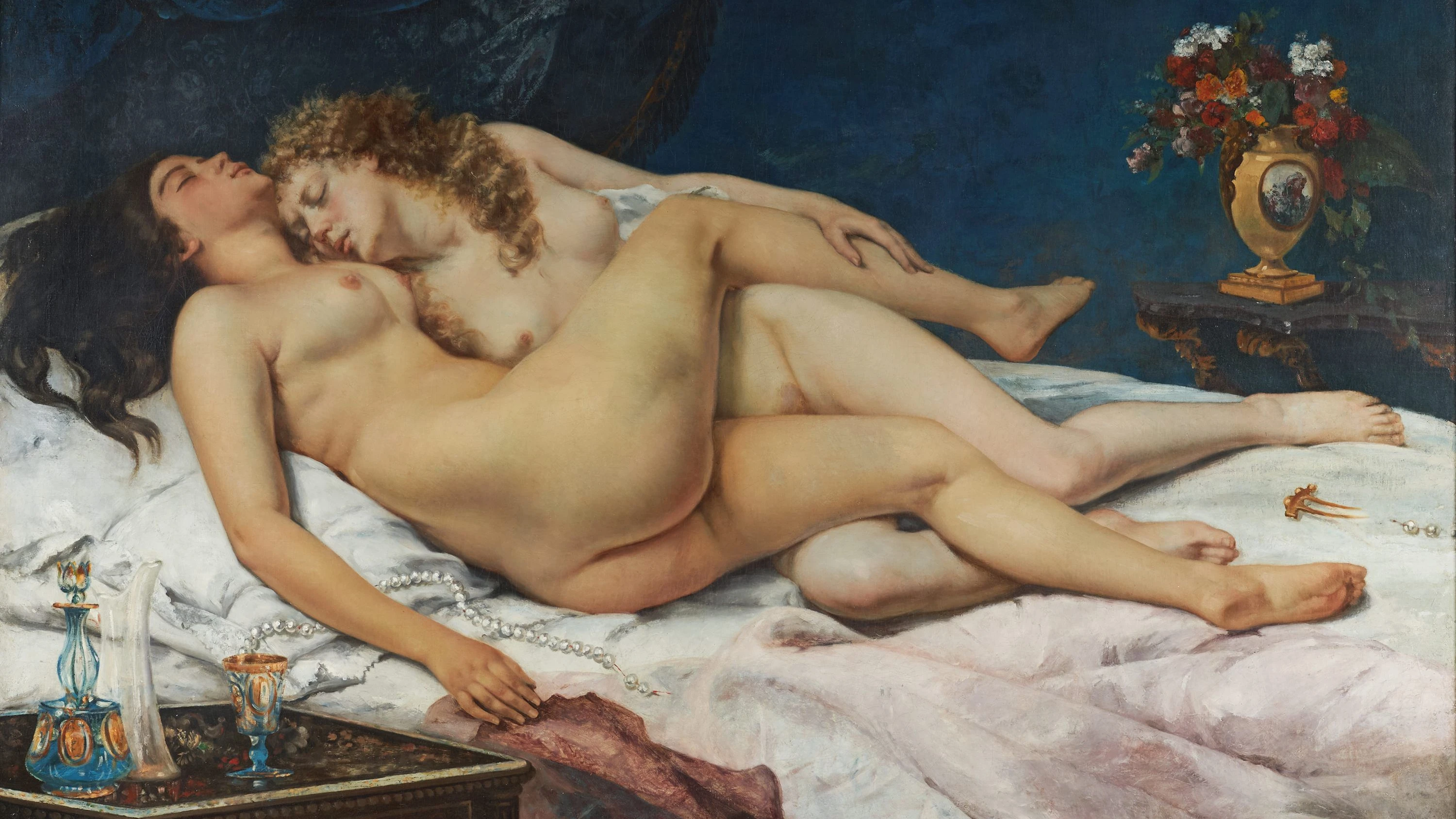
A stunning exhibition of Gustave Courbet’s paintings has opened at the Leopold Museum in Vienna, drawing large crowds of art lovers. The display focuses on Courbet’s groundbreaking realism and his impact on subsequent generations of artists. This exhibition is being hailed as a major cultural event for Austria.
Gustave Courbet, a pivotal figure in 19th-century art, deliberately rejected the idealized depictions favored by his contemporaries, opting instead to portray everyday life and landscapes with unflinching honesty. His work, often depicting peasant life and rural scenes, was considered radical for its time, challenging the established norms of the Salon. The Leopold Museum’s collection features a selection of Courbet’s most iconic pieces, including ‘The Stone Breakers’ and ‘Burial at Ornans,’ allowing visitors to directly experience the power and emotional resonance of his artistic vision. The exhibition’s success underscores Courbet’s enduring legacy and the continued relevance of his pioneering approach to realism within the broader context of art history.
Summarized from the sources above. Read the originals for the full story.
Highlights
Courbet Exhibition in Vienna
A significant exhibition of Gustave Courbet’s work is currently running at the Leopold Museum in Vienna, drawing art lovers and celebrating his revolutionary realism.
Rebellious Courbet in Austria
The exhibition emphasizes Courbet’s rebellious approach to realism and his lasting impact on the art world, making it a key cultural event in Austria.
Leopold Museum Show Attracts Visitors
The Courbet exhibition at the Leopold Museum is attracting a large number of art enthusiasts, solidifying its importance within Austrian culture.
Highlighting Courbet's Innovation
The show focuses on Courbet’s innovative techniques and his challenge to traditional artistic conventions.
Significant Cultural Offering
The exhibition is widely regarded as a major cultural offering for Austria, showcasing a pivotal figure in art history.