Schulz Demands Lower Energy Taxes, New Gas Discounts
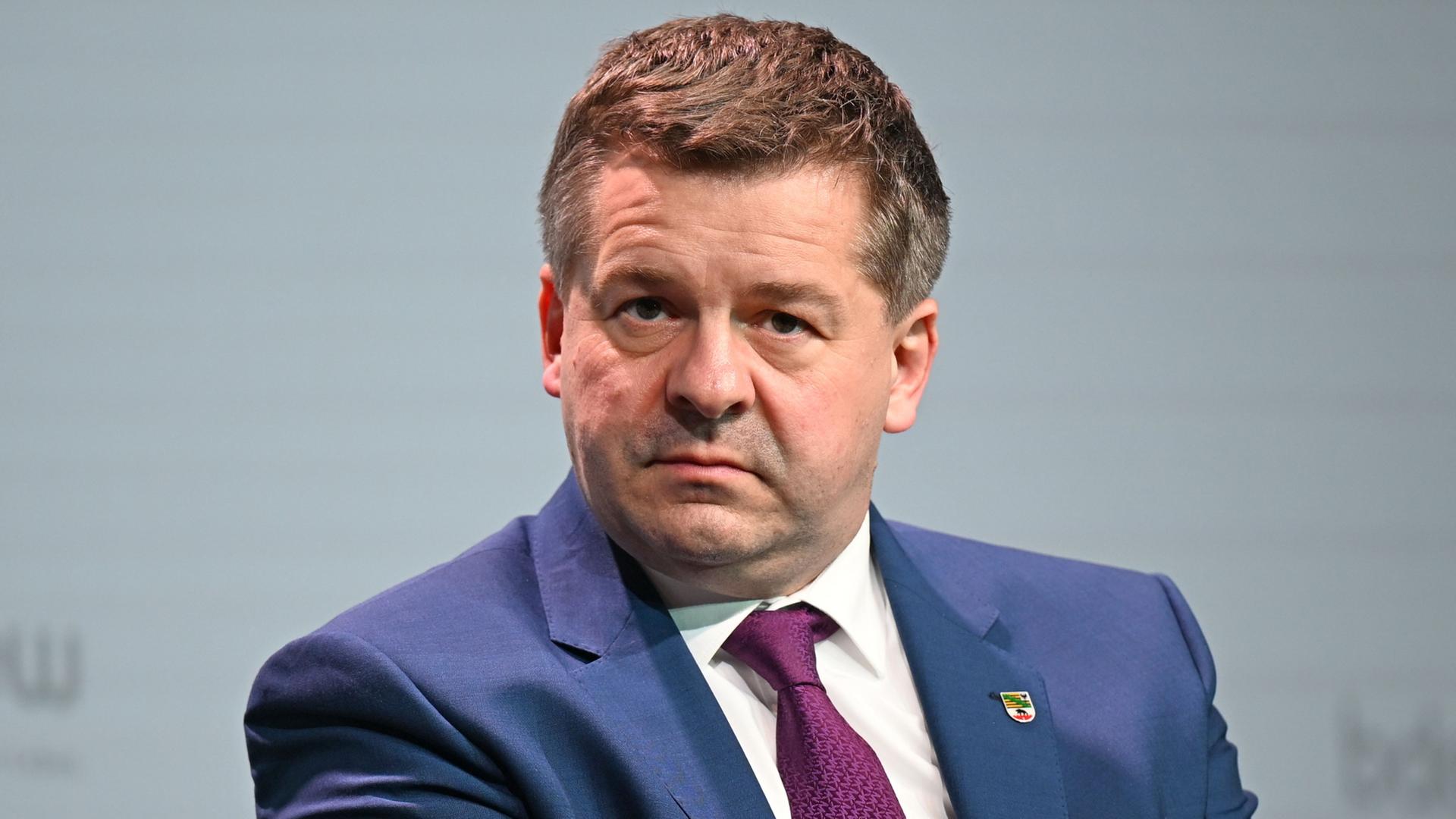
The Premier of Saxony-Anhalt, Reiner Haseloff, is pushing for a significant reduction in energy taxes, specifically targeting fuel prices that have surged above €2 per liter. This move comes amidst growing public concern over the financial strain caused by rising fuel costs and a potential political strategy ahead of upcoming state elections.
Haseloff’s call echoes a similar initiative from 2022, highlighting the persistent issue of high fuel prices impacting both consumers and businesses within the state. However, his efforts are met with resistance from the federal government, which has announced different plans that don’t include a fuel tax cut. Critics view this as a populist tactic aimed at garnering votes before the state elections, potentially overshadowing more comprehensive solutions to the energy crisis. Schulze, the current CDU Minister President, has echoed this sentiment, further intensifying the political pressure on the federal government to address the issue. The situation underscores a growing divide between regional demands for immediate relief and the federal government’s broader economic strategy.
Summarized from the sources above. Read the originals for the full story.
Highlights
Schulze Demands Energy Tax Cut
Sachsen-Anhalt's Premier Reiner Haseloff is advocating for a reduction in energy taxes to combat rising fuel prices and prevent the federal government from benefiting from the crisis.
Schulze Proposes New Fuel Discount
Sven Schulze is pushing for a fuel tax cut, mirroring a previous measure, as a populist strategy ahead of state elections.
Political Push for Lower Costs
Both premiers are attempting to address consumer and business concerns regarding high fuel costs through tax reductions.
Differing Government Priorities
The state government's approach contrasts with the federal government's alternative plans for addressing the oil price crisis.
Election Timing Fuels the Debate
Sven Schulze's call for a fuel tax cut is strategically timed to capitalize on public support before state elections.