Castor Transport Project Expected to Cost $150 Million
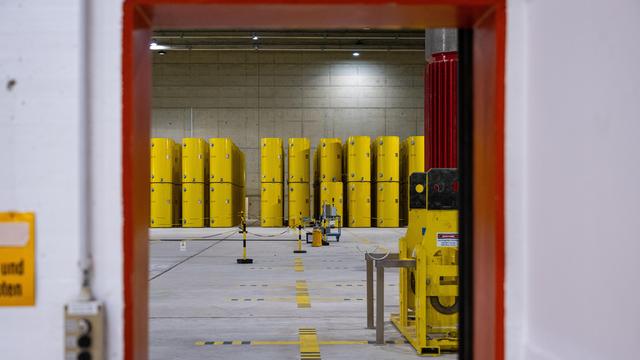
A controversial plan to transport radioactive waste from Jülich to Ahaus, North Rhine-Westphalia, is facing significant scrutiny due to its projected cost of at least €150 million. The JEN society is defending the expense as the most affordable option currently available, sparking debate about the future of nuclear waste management in Germany.
The project involves moving low-level radioactive waste from the Forschungszentrum Jülich, a major research facility, to the Ahaus municipal waste disposal site. Critics argue that the substantial cost – significantly exceeding initial estimates – raises serious questions about the long-term viability and potential for cost overruns. The JEN society maintains that alternative solutions would be considerably more expensive, citing the urgency of finding a permanent disposal location for this hazardous material. Furthermore, the transport itself necessitates stringent safety measures and specialized equipment, contributing to the overall financial burden. This decision highlights the ongoing challenges Germany faces in addressing its legacy of nuclear power and the complex logistics of safely managing radioactive waste.
Summarized from the sources above. Read the originals for the full story.
Highlights
Castor Transport Costs Surge
A planned radioactive waste transport between Jülich and Ahaus will cost at least €150 million, prompting concerns about safety and financial implications.
JEN Society Defends Cost
The JEN society argues the €150 million cost is the most affordable option for transporting radioactive waste in Germany.
Financial Burden Raised
The significant expense of the transport highlights the ongoing financial burden associated with managing nuclear waste.
Safety Protocols Under Scrutiny
The project has intensified scrutiny of safety protocols and handling procedures for radioactive waste within Germany.
Jülich to Ahaus Move
Radioactive waste is being moved from Jülich to Ahaus, North Rhine-Westphalia, sparking debate about its logistics.