War in Middle East Highlights Renewable Energy Potential and Energy Price Threats
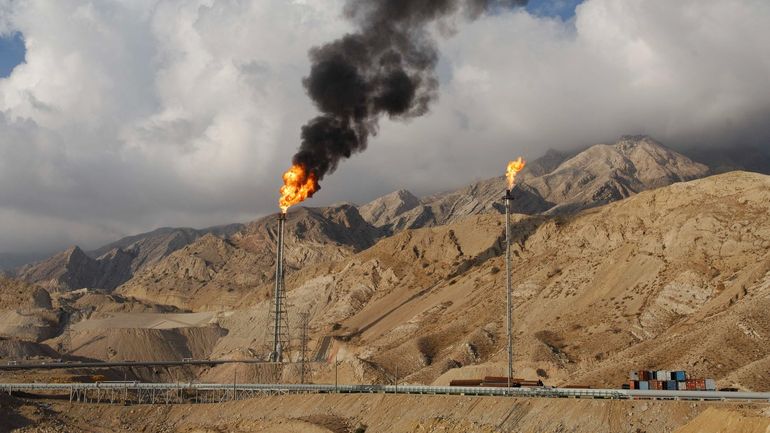
Escalating violence in the Middle East, specifically targeting oil and gas fields like South Pars and Ras Laffan, is dramatically reshaping the global conversation around energy security. The attacks underscore a critical link between geopolitical instability and reliance on fossil fuels, prompting a renewed urgency for alternative energy solutions. This crisis is forcing a reassessment of global energy markets and supply chains.
The attacks on these strategically important fields – South Pars and Ras Laffan – represent a dangerous escalation beyond traditional regional conflicts. These fields are vital to global oil and gas production, with disruptions immediately impacting international markets and driving up prices. Furthermore, the attacks have revealed vulnerabilities in maritime supply routes, causing immediate disruptions across thousands of kilometers and triggering widespread concern about potential long-term instability. Experts are now emphasizing the need for nations to diversify their energy sources and invest heavily in renewable technologies to mitigate future risks. The situation has also intensified calls for international cooperation to secure critical energy infrastructure and prevent further escalation.
Summarized from the sources above. Read the originals for the full story.
Highlights
Middle East Conflict Impacts Energy
The ongoing conflict in the Middle East is driving renewed interest in renewable energy as a solution to energy security concerns and geopolitical instability.
Oil Field Attacks Threaten Supplies
Attacks on key oil fields like South Pars and Ras Laffan are disrupting global energy supplies and causing market volatility.
Gas Infrastructure Attacks Escalate Risk
Targeting gas infrastructure, particularly the South Pars and Ras Laffan fields, significantly elevates the risk of long-term energy price instability.
Supply Chain Vulnerabilities Exposed
Recent attacks on energy infrastructure reveal vulnerabilities in global supply chains and potential for wider geopolitical consequences.
Maritime Disruptions Felt Globally
Disruptions to maritime supply routes caused by attacks have impacted energy markets across thousands of kilometers.
Perspectives
- The conflict in the Middle East is significantly impacting global energy supplies.
- Attacks on energy infrastructure, particularly oil and gas fields, are a key element.
- Reliance on fossil fuels is being questioned due to geopolitical instability.
- Disruptions to energy supply chains pose a threat to global markets.
Sources emphasize the conflict's impact on existing energy supplies and market volatility.
Público, ANSA, RTBF
Sources highlight the escalation to targeting energy infrastructure itself as a new and concerning development.
New