Government Considers Reverse Trigger for Rising Fuel Prices
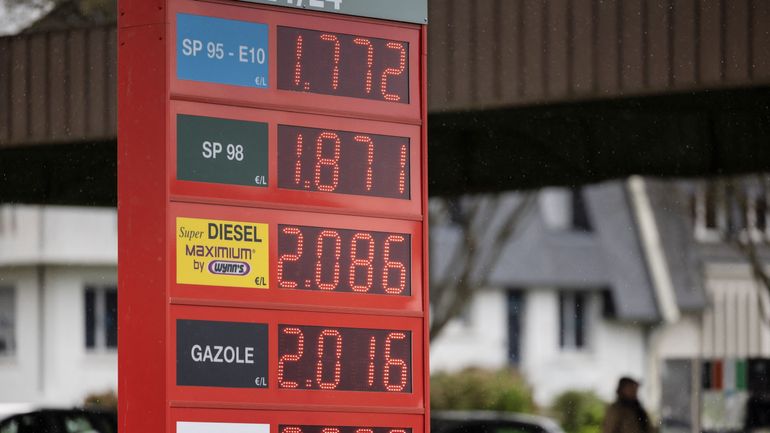
France is grappling with a surge in gasoline and diesel prices, triggering a debate about the government’s potential response. The core of the issue revolves around the consideration of a ‘reverse trigger’ mechanism – a previously discussed policy designed to alleviate rising fuel costs. This action could have significant ramifications for both French consumers and the nation’s economy.
The escalating energy crisis is primarily attributed to the ongoing conflict in Iran, which has disrupted global oil supplies and driven up crude oil prices. The ‘reverse trigger’ mechanism, when activated, would theoretically reduce taxes on fuel, aiming to directly lower prices at the pump for consumers. However, the French government is proceeding cautiously, stating they are still conducting thorough assessments of the situation and its potential consequences. Critics argue this delay is unacceptable given the severity of the price increases and the potential for broader economic damage. Furthermore, the effectiveness of the ‘reverse trigger’ remains uncertain, particularly if global oil prices continue to rise independently of French policy interventions. The government’s decision-making process is under intense scrutiny as it seeks a solution to shield French citizens from the economic strain of soaring energy costs.
Summarized from the sources above. Read the originals for the full story.
Highlights
France Considers 'Reverse Trigger'
The French government is evaluating the potential activation of a ‘reverse trigger’ mechanism to combat rising fuel prices driven by global energy market instability.
Iran Conflict Fuels Concerns
The ongoing conflict in Iran is a key factor driving rising energy prices and prompting the French government to consider intervention.
Government Assessment Underway
The French government is currently conducting assessments before deciding whether to implement the ‘reverse trigger’ policy.
Diesel Price Surge Targeted
A primary focus of the potential intervention is to mitigate the impact of soaring diesel prices on consumers.
Delayed Action Raises Questions
The government’s inaction regarding energy prices has sparked concerns about its strategic approach and potential consequences.