German: “Benzinpreis: Bundesregierung will Kartellrecht wegen hoher Spritpreise verschärfen” – Translation: “Gas
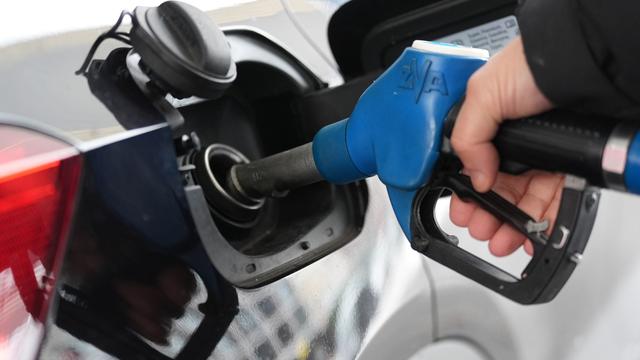
The German government is scrambling to address a significant surge in fuel prices, dubbed a ‘fuel price shock,’ which is causing widespread concern among commuters and impacting consumers nationwide. In response, the government is proposing a series of measures including limiting daily price increases at gas stations, increasing transparency, and exploring potential tax reductions. These actions are aimed at mitigating the financial burden on citizens and stabilizing the energy market, but face criticism and questions about their long-term effectiveness.
The situation in Germany is being driven by a confluence of factors, including global energy market volatility and concerns about potential price manipulation. Several government officials, including Economics Minister Robert Habeck and Transport Minister Thomas Crumbach, have directly appealed for action, highlighting the detrimental impact on citizens’ finances. The government’s initial proposals, such as cartel-like interventions and a ‘fuel price brake,’ have been met with mixed reactions, particularly from sectors like farming and logistics who argue they will not provide sufficient relief. Notably, the state parliament recently rejected a proposed measure to mitigate the impact, raising questions about the government’s ability to respond effectively. Furthermore, the debate is being fueled by calls for more radical solutions, such as fuel price caps, and a growing sense of public frustration. The government’s response is being closely watched, not only within Germany but also by other European nations grappling with similar energy challenges.
Summarized from the sources above. Read the originals for the full story.
Highlights
German Government to Regulate Fuel Prices
The German government is implementing measures, including price caps and cartel-like interventions, to combat rising fuel prices at the pump, aiming to protect consumers and businesses.
Price Controls and Cost Justification
The government plans to require oil companies to seek approval for price increases and mandate that fuel traders justify significant price hikes based on rising costs.
Political Criticism of Hasty Decisions
German politician Stocker criticized hasty decisions regarding fuel prices, advocating for sustainable, long-term strategies to address the issue.
Government's New Regulations and Consumer Relief
Germany is implementing new regulations limiting price increases at gas stations, with the potential for a 10 cent per liter reduction, to alleviate the financial burden on consumers.
Calls for Increased Intervention and Measures
Several German states are demanding further government intervention, including subsidies and measures to address supply issues, to combat persistently high fuel prices.
Perspectives
- Most sources agree that high fuel prices are a significant concern.
- The German government intends to regulate fuel price increases.
- Proposed measures involve antitrust enforcement and limiting price adjustments.
- The goal is to protect consumers from excessive fuel price increases.
ZEIT Online, Spiegel, tagesschau, DR Nyheder, Der Standard argue for a more interventionist approach, utilizing cartel-like measures and price controls.
ZEIT Online, Der Spiegel, tagesschau, DR Nyheder, Der Standard
ZEIT Online (Habeck) emphasizes transparency and regulation, but doesn't explicitly advocate for aggressive price controls.
ZEIT Online
Spiegel, Der Standard argue that the measures will not adequately address the concerns of farmers and logistics companies.
Spiegel, Der Standard
Other sources (ZEIT Online, tagesschau, DR Nyheder) frame the policy as a broader solution for consumers and the economy.
ZEIT Online, tagesschau, DR Nyheder