German/Dutch/French/Arabic translation of headlines:
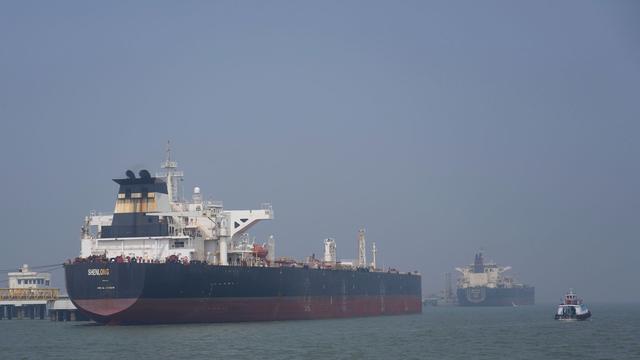
Germany has officially ruled out participating in a potential military mission in the Strait of Hormuz, a critical waterway for global oil shipments, following calls from the United States. This decision has sparked debate within Germany and raised concerns about the future of the transatlantic alliance, particularly regarding security cooperation. The situation is further complicated by rising tensions in the Middle East and concerns about antisemitism.
The German government’s reluctance stems from a combination of factors, including a desire to avoid escalating regional conflicts and a reassessment of the Bundeswehr’s capabilities highlighted by recent deployments in the Mediterranean and Gulf of Aden. Chancellor Merz and Defense Minister Pistorius’s opposition is also fueled by a broader shift in German foreign policy, echoing a previous stance taken by Gerhard Schröder, and a growing awareness of Germany’s indirect exposure to instability in the region. Simultaneously, the situation has been intertwined with heightened concerns about antisemitic attacks, particularly in the Netherlands and Germany, prompting Prime Minister Jetten to prioritize the safety of Jewish communities and investigate Iranian involvement. This complex web of considerations – military limitations, geopolitical tensions, and domestic security concerns – is shaping Germany’s response to the escalating crisis in the Strait of Hormuz and its relationship with key allies like the United States.
Summarized from the sources above. Read the originals for the full story.
Highlights
Germany Rejects Hormuz Mission
Multiple German leaders, including Pistorius and Merz, have rejected participating in a military mission in the Strait of Hormuz, citing concerns about transatlantic alliance stability and regional tensions.
Antisemitism Fuels Debate
Rising antisemitic attacks in Germany and the Netherlands have prompted concerns and discussions about Iran's potential involvement, alongside the Hormuz Strait issue.
Strategic Concerns Highlighted
Germany's indirect exposure to regional conflicts, revealed through missions in the Mediterranean and Gulf, is prompting a reassessment of its military engagement strategy.
Political Divisions Emerge
Significant disagreement exists within the CDU/CSU party regarding the potential deployment of Bundeswehr forces to the Strait of Hormuz.
Mission Timing Questioned
Dutch Prime Minister Jetten believes a mission to the Strait of Hormuz is currently ‘too early’ due to ongoing attacks and the need to assess the evolving situation.
Perspectives
- Germany is rejecting a military mission in the Strait of Hormuz.
- The Strait of Hormuz is a critical waterway for global oil.
- Rising tensions in the Strait of Hormuz are a concern.
- Germany's military operations in the Gulf have revealed weaknesses.
The US, through President Trump, is advocating for a military intervention in the Strait of Hormuz to protect shipping lanes.
ZEIT Online, ORF News, FAZ, Der Spiegel
Germany is prioritizing a non-interventionist approach, reflecting concerns about escalation and potential risks.
ZEIT Online, Bundeswehr, Der Spiegel
Some CDU defense politicians advocate for sending Bundeswehr troops for reconnaissance in the Strait of Hormuz.
ZEIT Online
German officials, including Pistorius, are rejecting a full-scale military deployment.
ZEIT Online, ORF News, Bundeswehr