NATO War in Middle East: Allies Temper Trump's Expansion Plans
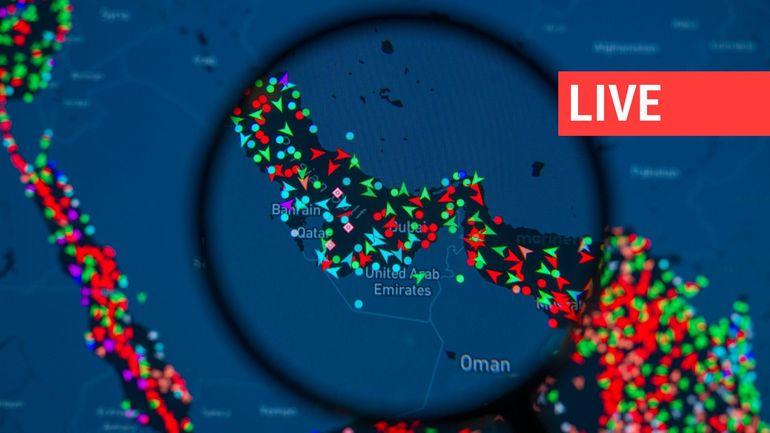
Following escalating tensions in the Middle East, including significant Israeli military strikes, Germany and the UK have announced they will not join a mission to reopen the Strait of Hormuz. This decision reflects a broader reluctance among European powers to directly engage in the conflict. The situation highlights the strategic importance of the waterway and the complex geopolitical considerations at play.
The Strait of Hormuz’s closure, largely attributed to Iranian-backed attacks on commercial vessels, has become a focal point of international concern. US President Trump’s call for NATO assistance underscores the critical role the waterway plays in global oil supplies, with approximately a third of the world’s seaborne oil passing through it. Germany and the UK’s cautious approach stems from concerns about escalating the conflict and potential repercussions for their own national security interests, as well as the delicate diplomatic situation involving Israel and regional allies. Furthermore, the decision reflects a broader debate within Europe regarding the level of involvement in Middle Eastern conflicts, prioritizing de-escalation and avoiding direct military confrontation.
Summarized from the sources above. Read the originals for the full story.
Highlights
Trump Urges NATO for Hormuz
President Trump is advocating for NATO involvement to reopen the Strait of Hormuz amidst rising Middle East tensions.
UK, Germany Reject Direct NATO Role
The UK and Germany have ruled out participating in a military mission to the Strait of Hormuz, reflecting concerns about escalation.
Israel's Strikes Intensify Conflict
Large-scale Israeli military strikes are contributing to the complex geopolitical situation in the Middle East.
Hormuz Strait Remains Key Focus
The strategic importance of the Strait of Hormuz continues to drive diplomatic and military considerations.
European Powers Exercise Caution
Germany and the UK are proceeding with caution, prioritizing diplomatic solutions over direct military intervention.